
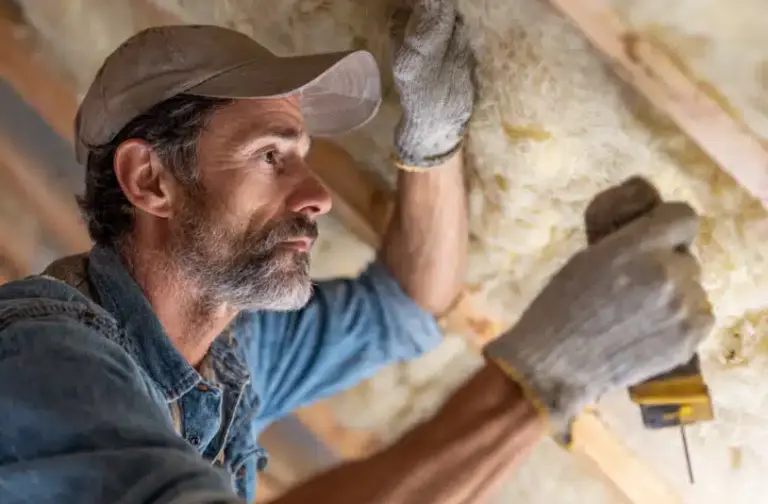



Let’s talk about the unsung hero of your home—your attic insulation. It’s not glamorous. Nobody’s posting Instagram selfies with fiberglass batts. But if you want to stop literally heating (or cooling) the great outdoors, it’s time to give your attic the attention it deserves.
Why Your Attic Matters More Than You Think
Heat rises. We all learned that in science class, probably while daydreaming about lunch. But here’s what they didn’t tell you: if your attic insulation is inadequate, up to 30% of your heating and cooling energy is escaping through your roof. That’s like leaving a window open year-round and wondering why your energy bill looks like a phone number.
The R-Value Reality Check
Insulation effectiveness is measured in R-value—the higher the number, the better the insulation. Most climate zones need R-38 to R-60 in the attic, but many older homes are rocking a sad R-11 or less. That’s the insulation equivalent of wearing a windbreaker in a blizzard.
Quick R-Value Guide:
- Cold climates: R-49 to R-60
- Moderate climates: R-38 to R-49
- Warm climates: R-30 to R-49
Check your current situation by poking your head into the attic. If you can see the ceiling joists, you probably need more insulation.
Your Insulation Options
Fiberglass Batts The classic choice. They’re affordable, DIY-friendly, and get the job done. Just wear long sleeves unless you enjoy feeling like you wrestled a cactus.
Blown-In Cellulose Made from recycled paper products, this fills gaps better than batts and has a slightly higher R-value per inch. Plus, you get to use a cool blowing machine.
Spray Foam The overachiever of insulation. It seals air leaks, resists moisture, and delivers top-notch R-value. It’s also the priciest option, but sometimes you get what you pay for.
The DIY Question
Adding insulation yourself can save serious money—if you’re comfortable working in tight spaces and don’t mind looking like the Abominable Snowman afterward. Key tips:
- Seal air leaks first. Insulation without air sealing is like putting a sweater over a screen door.
- Don’t block ventilation. Your attic needs to breathe, especially in warmer climates.
- Watch for recessed lights. They need special IC-rated fixtures or clearance to avoid fire hazards.
- Protect yourself. Mask, gloves, long sleeves, and goggles aren’t optional.
When to Call the Pros
Some jobs are better left to professionals. If you have:
- Vermiculite insulation (may contain asbestos)
- Complicated roof structures
- Moisture or mold issues
- Zero desire to spend Saturday in a hot, cramped attic
…then contacting Cransten is your best move.
The Bottom Line
Upgrading your attic insulation isn’t exciting, but watching your energy bills drop definitely is. Whether you DIY or hire help, it’s one of the smartest investments you can make in your home’s efficiency—and your wallet will thank you every month.
Ready to stop heating the neighborhood? Cransten can assess your attic insulation needs and recommend the right solution for your home and budget. Because life’s too short for high energy bills.