


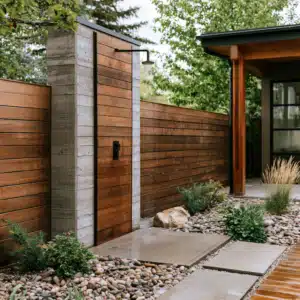
As summer temperatures soar, creating comfortable outdoor spaces becomes a top priority for homeowners. Whether you’re looking to extend your living space or simply make your backyard more enjoyable during hot days, installing shade structures can transform your outdoor experience while adding value to your property. At Cransten Handyman and Remodeling, we’ve helped countless homeowners create beautiful, functional shade solutions that enhance both comfort and curb appeal.
Why Outdoor Shade Matters
Beyond the obvious comfort benefits, proper shade solutions offer numerous advantages for your home and family. Shade structures can reduce energy costs by blocking direct sunlight from windows and outdoor living areas, potentially lowering your air conditioning bills by up to 30%. They also protect outdoor furniture from UV damage, extend the life of deck materials, and create versatile spaces for entertaining throughout the year.
From a property value perspective, well-designed shade structures consistently rank among the top outdoor improvements that appeal to potential buyers. They demonstrate thoughtful home maintenance and create the kind of outdoor living spaces that modern families desire.
Pergolas: The Classic Choice for Permanent Shade
Pergolas remain one of the most popular shade solutions, and for good reason. These versatile structures provide partial shade while maintaining an open, airy feel that doesn’t overwhelm smaller yards. The key to a successful pergola installation lies in proper planning and understanding your local building codes.
When designing your pergola, consider the sun’s path throughout the day and seasons. A north-south orientation typically provides the best balance of morning and afternoon shade, while east-west orientations offer more midday protection. For enhanced shade coverage, consider adding retractable canopies or training climbing vines like grape or wisteria to grow over the structure.
Most pergola projects require basic carpentry skills and can be completed over a weekend with the right tools and preparation. However, larger structures or those attached to your home may require permits and professional installation to ensure proper structural integrity and compliance with local codes.
Awnings: Versatile and Adjustable Protection
Retractable awnings offer unmatched flexibility for shade coverage, allowing you to adjust protection based on weather conditions and personal preference. Modern awning systems are far more durable and attractive than older models, with many featuring motorized operation and weather sensors that automatically retract during high winds.
Fixed awnings work well for windows and doorways where consistent shade is desired. They’re particularly effective on south and west-facing exposures where afternoon sun can significantly heat indoor spaces. When selecting awning materials, look for solution-dyed acrylic fabrics that resist fading and mildew while providing excellent UV protection.
Installation complexity varies depending on the awning type and mounting location. Simple window awnings can often be installed as DIY projects, while larger patio awnings typically require professional installation due to structural requirements and the precision needed for proper operation.
Creative DIY Shade Solutions
Budget-conscious homeowners have numerous options for creating effective shade without major construction projects. Shade sails have gained popularity for their modern aesthetic and relatively simple installation. These triangular or rectangular fabric panels can be positioned between trees, posts, or existing structures to create dramatic shade patterns while allowing air circulation.
For temporary or seasonal shade, consider installing curtain rods or wire systems that allow you to hang outdoor fabric panels. This approach works particularly well for patios and decks where permanent structures aren’t desired or allowed. Bamboo screens and outdoor curtains can be easily adjusted or removed as needed.
Living shade solutions offer both beauty and function. Fast-growing trees like red oak or maple provide excellent long-term shade, while shorter-term options like planting tall annual sunflowers or installing trellises for climbing plants can create shade within a single growing season.
Planning Your Shade Installation
Successful shade projects begin with careful planning and site assessment. Start by observing sun patterns in your outdoor space throughout the day, noting which areas receive the most intense heat and when. Consider your primary use for the space – dining areas may need different shade coverage than play areas or garden spaces.
Check local building codes and homeowner association requirements before beginning any permanent installation. Many areas have specific requirements for setbacks, height restrictions, and structural specifications that must be followed. For attached structures, ensure your home’s existing structure can support additional loads.
Budget considerations should include not just initial installation costs but ongoing maintenance requirements. While DIY installations can save on labor costs, factor in tool rental or purchase, materials, and the time investment required for proper completion.
Professional Installation vs. DIY Approach
While many shade solutions can be tackled as DIY projects, certain installations benefit from professional expertise. Complex pergola designs, large awning systems, and any structure requiring electrical work for lighting or motors should typically involve experienced contractors.
Professional installation ensures proper permitting, structural integrity, and warranty coverage. At Cransten Handyman and Remodeling, we work with homeowners to assess their specific needs and recommend the best approach for their skill level, budget, and desired outcome.
For DIY enthusiasts, we recommend starting with smaller projects to build confidence and skills before tackling larger installations. Simple shade sails, basic pergola kits, and window awnings offer excellent opportunities to gain experience while creating immediate benefits.
Maintenance and Longevity
Proper maintenance extends the life of any shade structure and ensures continued safety and appearance. Fabric elements should be cleaned regularly and inspected for wear, with replacement typically needed every 5-10 years depending on material quality and exposure conditions.
Wooden structures require annual inspection for loose fasteners, signs of rot, or insect damage. Apply protective stain or sealant every 2-3 years to maintain weather resistance. Metal components should be checked for rust or corrosion, with touch-up painting as needed.
Retractable awnings benefit from professional servicing every few years to ensure proper operation and address any mechanical issues before they become major problems. Simple maintenance like keeping tracks clean and lubricating moving parts can prevent costly repairs.
Conclusion
Creating effective shade solutions transforms outdoor spaces into comfortable, usable areas that enhance your home’s value and your family’s quality of life. Whether you choose a classic pergola, versatile awning system, or creative DIY approach, the key is selecting solutions that match your specific needs, budget, and skill level.
At Cransten Handyman and Remodeling, we’re committed to helping homeowners create beautiful, functional outdoor spaces. From initial planning and design consultation to complete installation and ongoing maintenance, our experienced team ensures your shade solution project exceeds expectations while providing years of comfortable outdoor enjoyment.
Ready to start planning your shade solution? Contact Cransten Handyman and Remodeling today for a consultation and discover how we can help transform your outdoor space into a comfortable retreat from the sun.